
How to Build a Basic Capsule Wardrobe
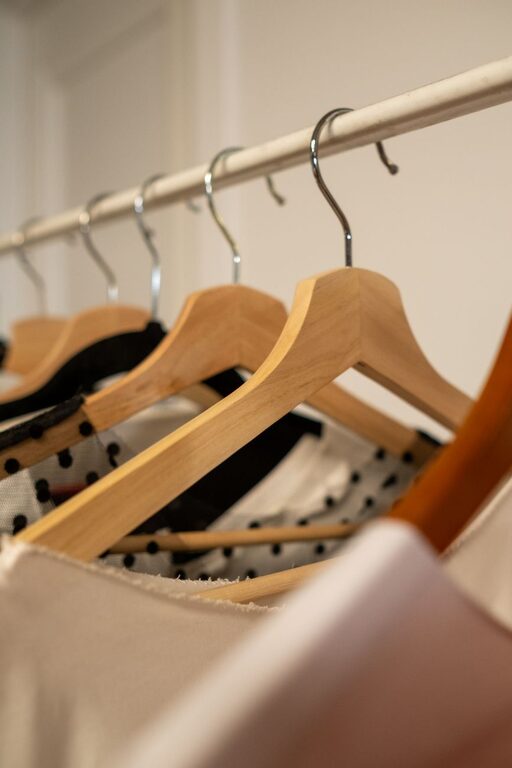
A capsule wardrobe is a small collection of clothing that works well together. Instead of filling your closet with items you rarely wear, you choose versatile pieces that match your lifestyle and can be styled in several ways.
Building a capsule wardrobe does not mean wearing the same outfit every day or following strict fashion rules. It is a practical way to make getting dressed easier, reduce clutter, and make more thoughtful clothing choices. The best capsule wardrobe is one that fits your schedule, climate, comfort preferences, and personal style.
What Is a Capsule Wardrobe?
A capsule wardrobe is a carefully selected group of clothing, shoes, and accessories that can be combined into many outfits. It usually includes everyday basics, a few layers, and a small number of more distinctive pieces.
The exact number of items is not important. Some people prefer a very small collection, while others need more clothing because of work, hobbies, weather, or family responsibilities. A capsule wardrobe should support your life rather than create extra restrictions.
A basic capsule wardrobe often includes:
- Neutral tops and a few colored or patterned options
- Comfortable pants or jeans
- A skirt, dress, or other preferred alternative
- Light and warm layering pieces
- Versatile shoes
- Weather-appropriate outerwear
- A few useful accessories
Step 1: Consider Your Lifestyle
Before buying anything, think about how you spend most of your time. Clothing for a remote worker will look different from clothing for someone who works in an office, spends time outdoors, or attends formal events regularly.
Write down your most common activities and the types of outfits they require. For example, you may need clothes for:
- Work or school
- Relaxing at home
- Running errands
- Exercise or outdoor activities
- Social events
- Travel
Estimate how often you need each type of outfit. If you rarely attend formal events, you may only need one polished outfit rather than several. If you walk often, comfortable shoes and practical layers may be more valuable than extra dress clothes.
Your wardrobe should reflect your actual routine, not an imagined version of your life.
Step 2: Review What You Already Own
Take everything out of your closet, drawers, and other clothing storage areas. Seeing your full collection makes it easier to notice duplicates, forgotten items, and gaps.
Sort your clothes into four groups:
Keep
Keep items that fit well, feel comfortable, suit your current lifestyle, and are in good condition. These pieces will form the foundation of your capsule wardrobe.
Maybe
Place items in this group if you are unsure about them. Set them aside for a few weeks and see whether you miss wearing them. You can also try styling them with several other pieces.
Repair or Alter
Some clothes may be useful but need a small repair, new button, hem, or other adjustment. Make a specific plan for these items rather than leaving them forgotten in the back of your closet.
Donate, Sell, or Recycle
Set aside pieces that no longer fit, feel uncomfortable, or do not suit your current lifestyle. Make sure clothing is clean and in usable condition before donating it. Items that are worn out may be better suited for textile recycling where available.
Avoid getting rid of everything at once. A capsule wardrobe can develop gradually as you learn what you actually wear.
Step 3: Choose a Simple Color Palette
A coordinated color palette makes it easier to create multiple outfits. Start with two or three neutral colors, such as black, navy, gray, white, cream, brown, or denim. Then add one or two accent colors that you enjoy wearing.
For example, a palette might include:
- Navy, white, gray, and soft blue
- Black, cream, tan, and olive
- Brown, beige, denim, and burgundy
You do not need to avoid bright colors or patterns. The goal is simply to make sure most items can be worn together. If you love colorful clothing, use neutrals as supporting pieces and add color through tops, dresses, accessories, or shoes.
Before adding an item, ask whether it works with at least three other pieces in your wardrobe. If it only matches one outfit, it may be less versatile.
Step 4: Select Essential Clothing Pieces
Start with the items you wear most often. A basic capsule wardrobe may include the following:
Tops
Choose a mix of casual and polished tops. Depending on your style, this could include plain T-shirts, button-down shirts, knit tops, blouses, or lightweight sweaters. Select fabrics that are comfortable and easy to care for.
Bottoms
Include a few reliable pairs of pants, jeans, or other bottoms. Choose different levels of formality if your routine requires them. A neutral pair of trousers and a comfortable pair of jeans can provide a useful starting point.
Layers
Layers help you create more outfits and adjust to changing temperatures. Consider a cardigan, blazer, overshirt, denim jacket, or lightweight sweater. Choose pieces that fit comfortably over your main tops.
One-Piece Options
A simple dress, jumpsuit, or similar one-piece item can create a complete outfit quickly. Choose a style that works with different shoes and layers so it can be worn casually or dressed up.
Outerwear
Select outerwear based on your local weather. You may need a light jacket, warm coat, rain layer, or a combination of these. Practicality matters more than having several similar options.
Shoes
A small shoe collection can cover many situations. You might start with comfortable everyday shoes, a slightly dressier pair, and weather-appropriate footwear. Choose shoes that work with several outfits and that you can comfortably wear for your normal activities.
Step 5: Add Accessories Carefully
Accessories can change the appearance of basic outfits without adding many clothing items. Useful options may include a belt, scarf, simple jewelry, hat, or everyday bag.
Choose accessories that fit your lifestyle. If you carry a laptop or other items, a practical bag may be more useful than a small decorative one. If you prefer a simple look, a few reliable accessories may be enough.
Accessories are also an easy way to add color, texture, or personality to a neutral wardrobe.
Step 6: Test Your Wardrobe
Once you have selected your core pieces, create several outfits and take photos of combinations you like. Aim to build outfits for different situations, such as work, casual days, evenings out, and changing weather.
Pay attention to these questions:
- Do you have enough comfortable everyday outfits?
- Can your tops work with more than one bottom?
- Do your shoes match most of your clothing?
- Are there items you like but never choose to wear?
- Do you have suitable layers for your climate?
If an outfit looks good but feels uncomfortable, it is unlikely to become a regular choice. Comfort and practicality should be part of your evaluation.
Step 7: Shop With a Plan
After reviewing your wardrobe, make a short list of genuine gaps. Avoid shopping for general inspiration if you are trying to build a smaller collection. Instead, look for specific items that solve a problem.
Before purchasing something, ask:
- Does it fit my current lifestyle?
- Can I wear it with at least three existing items?
- Is it comfortable and suitable for the season?
- Do I already own something similar?
- Will I still want to wear it next year?
Consider fabric, construction, care instructions, and fit. A versatile item that is easy to maintain may be more useful than a trendier piece that requires special care.
Maintain and Adjust Your Capsule Wardrobe
A capsule wardrobe is not a one-time project. Review it at the beginning of each season or whenever your routine changes. Rotate seasonal items, repair clothing promptly, and replace pieces only when they no longer meet your needs.
Keep a simple record of what you wear most often. This can reveal useful patterns. You may discover that you need more comfortable tops, fewer formal items, or different layers for your local weather.
The goal is not to own as little as possible. The goal is to own clothing that works well, feels good, and makes daily dressing easier. Start with what you already have, make thoughtful adjustments, and allow your capsule wardrobe to develop naturally over time.