
How to Plan Easy Meals From Pantry Staples
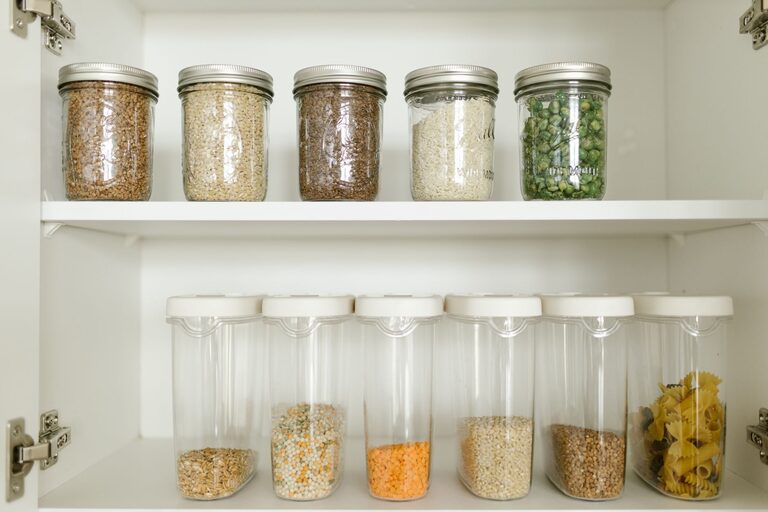
Planning meals from pantry staples is a practical way to simplify cooking. Instead of starting with a recipe and buying a long list of ingredients, you can begin with what you already have. Grains, beans, canned vegetables, pasta, spices, and shelf-stable sauces can become the foundation for many satisfying meals.
A good pantry-based meal plan helps you save time, use food before it expires, and shop with more purpose. The key is to think in flexible meal combinations rather than strict recipes.
Start With a Pantry Inventory
Before planning your meals, take a quick look at your pantry, refrigerator, and freezer. Write down what you have and group similar items together.
Useful categories include:
– Grains: rice, oats, quinoa, couscous, pasta, and breadcrumbs
– Beans and legumes: canned beans, lentils, split peas, and dried peas
– Canned goods: tomatoes, corn, peas, pumpkin, and fruit
– Shelf stable proteins: canned tuna, canned chicken, peanut butter, and nuts
– Flavor boosters: broth, soy sauce, vinegar, mustard, salsa, and tomato paste
– Baking basics: flour, sugar, baking powder, and yeast
– Seasonings: salt, pepper, dried herbs, spices, and cooking oils
While taking inventory, check expiration dates and place older items near the front. You do not need to list every item in detail. A simple note on your phone or a sheet of paper is enough.
Also identify ingredients that need to be used soon. For example, a half-empty bag of spinach, an open package of tortillas, or a few aging carrots can help shape your meal plan.
Build Meals Around a Simple Formula
A useful pantry meal usually includes four parts:
- A base
- A protein
- Vegetables
- A sauce or seasoning
The base might be rice, pasta, potatoes, oats, tortillas, or bread. Protein can come from beans, lentils, eggs, canned fish, nuts, seeds, or leftover meat. Vegetables may be fresh, frozen, or canned.
The final element, such as a sauce or seasoning blend, gives the meal its character. For example, rice, beans, corn, and salsa create a simple southwestern-style bowl. Pasta, canned tomatoes, white beans, and Italian seasoning make an easy one-pot dinner.
This formula is flexible. If one part is missing, you can replace it with something similar. A meal does not need to contain every category to be complete.
Choose a Few Meal Formats
Planning by meal format makes it easier to use the same ingredients in different ways. Choose three or four formats for the week, then adjust them based on what you have.
One-Pot Meals
One-pot dishes are convenient because they reduce preparation and cleanup. Combine rice or pasta with canned tomatoes, beans, broth, vegetables, and seasonings. Simmer until the grains are tender and the flavors come together.
Examples include:
– Tomato rice with chickpeas
– Pasta with beans and vegetables
– Lentil stew with carrots and canned tomatoes
– Creamy soup made with potatoes and canned corn
Bowls
Bowls are especially useful when you have small amounts of several ingredients. Start with a grain, then add a protein, vegetables, and a topping.
Try combinations such as:
– Rice, black beans, corn, and salsa
– Quinoa, chickpeas, peas, and a lemon dressing
– Oats, peanut butter, applesauce, and cinnamon
– Mashed potatoes, lentils, and sautéed vegetables
Bowls can be served warm or cold, depending on the ingredients.
Soups and Stews
Soups are a reliable way to combine pantry staples. Broth, canned tomatoes, beans, lentils, pasta, and frozen vegetables can be mixed in many ways.
Use dried herbs for a mild flavor or add curry powder, chili powder, or smoked paprika for more variety. If the soup becomes too thick, add water or broth. If it is too thin, simmer it longer or add a starch such as rice, pasta, or potatoes.
Wraps and Toasted Meals
Tortillas, flatbreads, and bread can turn leftovers into a new meal. Fill them with beans, rice, canned vegetables, cheese, eggs, or leftover chicken. Add salsa, mustard, hummus, or a simple yogurt sauce.
Bread can also become toast topped with baked beans, peanut butter, mashed chickpeas, or eggs. This format works well for quick lunches and breakfasts.
Plan Ingredients That Work Together
When building a weekly plan, choose ingredients that can appear in more than one meal. This reduces waste and keeps your shopping list short.
For example, one bag of rice can be used for:
– A bean and vegetable bowl
– A rice soup
– Fried rice with eggs and frozen vegetables
– A breakfast rice pudding
A can of tomatoes can support pasta sauce, soup, chili, or a grain-based casserole. A jar of peanut butter can be used for toast, oatmeal, sauces, and snacks.
Aim to plan two or three main ingredients for several meals instead of buying a separate ingredient for every recipe. You can change the seasonings and presentation to keep meals from feeling repetitive.
Add Fresh Items With a Purpose
Pantry meals become more enjoyable with a few fresh ingredients. Rather than buying a large amount of produce, choose items that can be used in several ways.
Good options include:
– Onions and garlic for flavor
– Carrots and celery for soups and stews
– Cabbage for slaws, stir-fries, and wraps
– Lemons or limes for sauces and dressings
– Fresh greens for bowls, sandwiches, and pasta
– Eggs for breakfast, baking, and quick dinners
Frozen vegetables are also useful. They are easy to store, require little preparation, and can be added directly to soups, pasta, rice dishes, and skillet meals.
Create a Flexible Weekly Plan
A pantry-based plan should provide structure without being too strict. Start by choosing five or six meals, leaving one or two flexible spaces for leftovers or unexpected changes.
A sample plan might look like this:
– Monday: Pasta with tomatoes, beans, and spinach
– Tuesday: Rice bowls with chickpeas, corn, and salsa
– Wednesday: Lentil soup with bread
– Thursday: Leftover rice and vegetables cooked with eggs
– Friday: Baked potatoes with beans and cheese
– Saturday: Pantry pizza or flatbread with vegetables
– Sunday: Leftovers or a simple oatmeal breakfast-for-dinner meal
You can also prepare a few building blocks in advance. Cook a pot of rice, rinse canned beans, chop vegetables, or mix a simple dressing. These small steps make later meals faster without requiring a full day of cooking.
Use Seasonings to Create Variety
The same basic ingredients can taste very different with a new seasoning combination. Keep a few simple flavor directions in mind:
– Italian: garlic, basil, oregano, tomato, and Parmesan
– Southwestern: chili powder, cumin, salsa, corn, and beans
– Mediterranean: lemon, oregano, chickpeas, olives, and vinegar
– Mild curry: curry powder, ginger, coconut milk, lentils, and vegetables
– Savory herb: thyme, rosemary, black pepper, broth, and potatoes
Add seasonings gradually and taste as you cook. A small amount of vinegar or lemon juice can brighten a heavy dish, while a little oil or yogurt can soften strong flavors.
Make a Shopping List Based on Gaps
Once you have chosen your meals, write down only what is missing. Organize the list by section, such as produce, dairy, refrigerated items, and freezer goods.
Your list might include:
– Two fresh vegetables
– One leafy green
– Fruit for snacks or breakfast
– Eggs or another protein
– Milk or a dairy-free alternative
– Bread or tortillas
– One sauce or seasoning you do not already have
Avoid buying ingredients simply because they are on sale unless you know how you will use them. A focused list helps control clutter and makes pantry planning more effective.
Keep a List of Favorite Combinations
After making a successful pantry meal, write it down. Include the main ingredients, seasonings, and any changes you would make next time.
Over time, you will build a personal collection of dependable combinations. This makes future meal planning faster and reduces the pressure to find new recipes every week.
Planning meals from pantry staples is less about following exact instructions and more about making smart connections between ingredients. With a simple inventory, a flexible meal formula, and a short shopping list, you can create varied meals while spending less time deciding what to cook.
Related Post
How to Create a Simple Weekly Meal Plan
Learn how to plan easy, flexible meals for the week, save time at the store, [...]