
Beginner Tips for Mindful Breathing Breaks
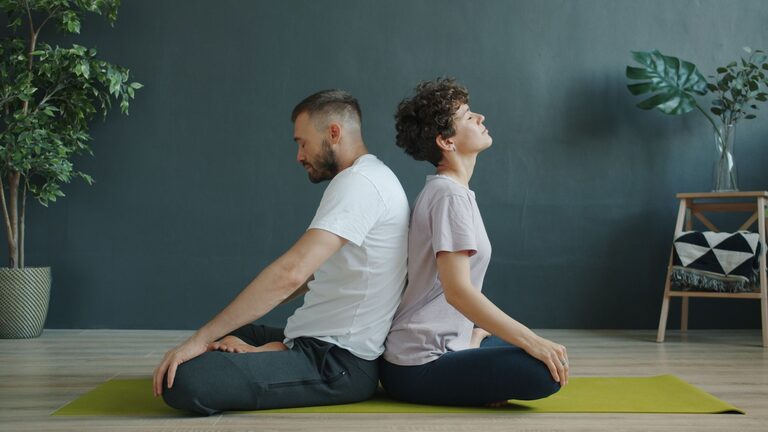
Mindful breathing breaks are simple pauses that help you reconnect with the present moment. Instead of rushing from one task to the next, you take a little time to notice your breathing and settle your attention.
You do not need special equipment, a quiet room, or a long block of free time. A mindful breathing break can take less than a minute at first. With regular practice, these short pauses can become an easy way to create more space in a busy day.
What Is a Mindful Breathing Break?
A mindful breathing break is a short period when you intentionally pay attention to your breath. You notice the air moving in and out, the rise and fall of your chest, or the movement of your belly.
The goal is not to control every breath or make your mind completely quiet. Thoughts, sounds, and distractions will appear. The practice is simply to notice them and gently bring your attention back to breathing.
You can take a breathing break:
– Before starting a task
– Between meetings or errands
– During a work or study session
– While waiting in line
– After looking at a screen for a long time
– Before getting ready for bed
Start With a Short Break
One of the easiest mistakes for beginners is starting with a goal that feels too large. A 20-minute practice may sound useful, but it can be difficult to fit into a busy schedule.
Begin with one to three minutes. This is long enough to pause but short enough to feel manageable. You can always extend the time later if it feels comfortable.
Try this simple approach:
- Set a timer for one minute.
- Sit or stand in a comfortable position.
- Notice your natural breathing.
- When your attention wanders, return to the next breath.
- Continue until the timer ends.
A short practice done regularly is often more useful than a longer practice that you rarely repeat.
Choose a Simple Breathing Focus
There are many ways to notice the breath. Choose one that feels natural rather than trying to use every technique at once.
Notice the Breath at the Nose
Pay attention to the feeling of air moving through your nostrils. You may notice a slight difference between the air moving in and the air moving out.
Follow the Chest or Belly
Place your attention on the gentle movement of your chest or belly. Notice the body rising as you breathe in and relaxing as you breathe out.
Count Quietly
If your mind feels especially busy, count a few breaths. For example, count each exhale from one to five, then begin again. If you lose track, simply return to one without judging yourself.
These methods are not tests. There is no correct sensation you must find. The purpose is to give your attention one clear, steady place to rest.
Keep Your Breathing Natural
Mindful breathing does not require deep or dramatic breaths. For many beginners, the most comfortable approach is to allow the breath to remain natural.
Trying too hard to breathe in a particular way may create tension or make the practice feel unnatural. Instead, start by observing what is already happening.
You might silently say:
– “Breathing in.”
– “Breathing out.”
– “Noticing.”
– “Returning.”
If you feel uncomfortable, return to normal breathing or end the break. A mindful pause should feel gentle and practical, not like a performance.
Find a Comfortable Position
You can practice almost anywhere, but a comfortable position makes it easier to stay focused.
Try one of these options:
– Sit in a chair with both feet on the floor.
– Rest your hands loosely in your lap.
– Stand with your shoulders relaxed.
– Keep your back comfortably upright without forcing it straight.
– If you are at home, sit on a cushion or the edge of a bed.
You do not need to close your eyes. Keeping them open with a soft gaze can be helpful if you are at work, in a public space, or simply more comfortable that way.
Use Everyday Cues
A regular cue can remind you to take a breathing break. Rather than relying on motivation alone, connect the practice to something you already do.
For example, pause for a few breaths:
– When you sit down at your desk
– Before opening your email
– After finishing a phone call
– While waiting for a webpage to load
– Before eating a meal
– When you leave one room and enter another
– After placing your phone down
These moments are useful because they already happen during your day. Over time, the cue can make the breathing break feel automatic.
Try the One Minute Reset
When you need a quick pause, use this one-minute routine:
First 20 Seconds: Arrive
Notice where you are. Feel your feet on the floor or your body supported by the chair. Let your attention move away from your previous task.
Next 20 Seconds: Notice
Pay attention to two or three natural breaths. Notice the movement of the body and any sounds around you.
Final 20 Seconds: Return
Allow your attention to rest on one more breath. Then notice what you want to do next. Continue with your day at a comfortable pace.
This routine is short enough to use between tasks without interrupting your schedule.
Expect Distractions
A wandering mind is a normal part of mindful breathing. You may think about a conversation, a deadline, a message, or something you need to remember. Background sounds may also pull your attention away.
When this happens, try these steps:
- Notice that your attention has moved.
- Name it gently, such as “thinking” or “hearing.”
- Return to the next breath.
There is no need to criticize yourself. Each return is part of the practice. The aim is not to avoid thoughts but to notice when they appear and choose where to place your attention again.
Add Breathing Breaks to Work and Study
Short pauses can fit well into focused activities. Consider taking a few breaths:
– Before beginning a difficult assignment
– After completing a section of work
– When switching between tasks
– Before responding to a message
– During a scheduled break
A breathing break can create a clear boundary between activities. It may help you approach the next task with a more deliberate pace instead of carrying the previous task forward automatically.
Keep the practice simple. You do not need to turn every break into a formal session. Three quiet breaths may be enough.
Make the Practice Sustainable
Consistency matters more than perfection. If you miss a day, begin again at the next convenient moment. Avoid treating the practice as another task to complete perfectly.
These tips can help:
– Choose a realistic time of day.
– Start with one minute.
– Use a phone reminder if helpful.
– Keep your practice connected to an everyday cue.
– Track how often you pause rather than how long you practice.
– Adjust the routine when your schedule changes.
It can also help to decide what “success” means. Success might simply be remembering to pause and notice one breath.
Practice With Care
Mindful breathing should remain comfortable. Do not force the breath, hold it for a long time, or continue if you feel lightheaded or uneasy. Return to your normal breathing and stop the exercise if needed.
If you are in a situation that requires your full attention, such as driving or operating equipment, wait until you are safely stopped before practicing. Choose a setting where you can pause without creating a distraction or safety concern.
A Simple Way to Begin Today
Choose one regular moment, such as sitting at your desk or waiting for your computer to start. Take one comfortable breath and notice it from beginning to end. Then take two more breaths in the same way.
That is enough for a first mindful breathing break. As the habit becomes familiar, you can add more pauses or extend them by another minute.
The most useful practice is one that fits naturally into your life. Keep it gentle, keep it simple, and return to it whenever you have a moment to pause.
Related Post

10 Mindful Breaks You Can Take in Five Minutes
Refresh your focus and create a little calm with simple five-minute mindful breaks you can [...]

Simple Mindfulness Practices for Everyday Life
Discover easy mindfulness habits that can help you slow down, focus on the present, and [...]