
How to Create a Relaxing Home Workspace
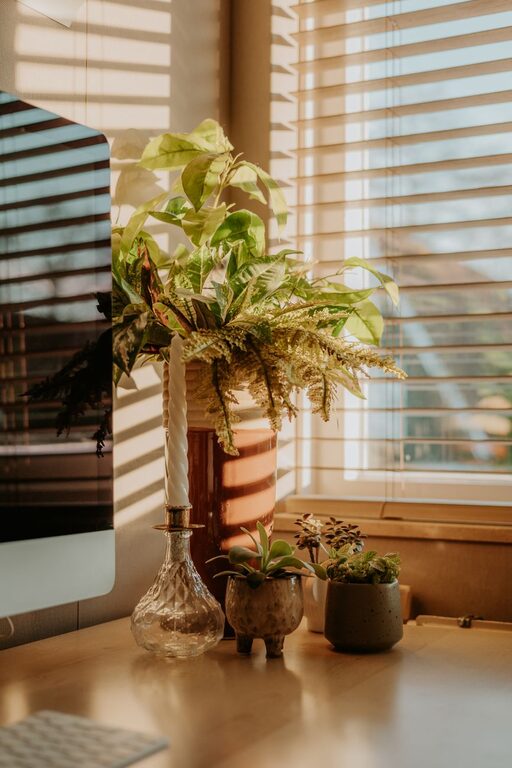
Create a Workspace That Feels Calm
A home workspace should support your daily routine without making the rest of your home feel crowded or stressful. Whether you work from a dedicated office, a bedroom corner, or a small area in the living room, thoughtful design can make the space feel more comfortable and inviting.
A relaxing workspace does not need expensive furniture or a complete renovation. Small changes, such as improving lighting, reducing clutter, and adding personal touches, can make a noticeable difference. Start by considering how you want the space to feel and what usually distracts you while you work.
Choose the Right Location
The location of your workspace has a major effect on how easy it is to concentrate. If possible, choose an area with natural light, limited foot traffic, and enough room for your essential supplies.
Before setting up your desk, consider:
– How much noise comes from nearby rooms
– Whether the area has enough electrical outlets
– How easy it is to keep work materials organized
– Whether the space can be used without blocking doors or walkways
– How much privacy you need during the day
A quiet corner near a window can be ideal, but any well-planned area can work. If you share your home with others, use a small screen, bookcase, or curtain to create a visual boundary. Even a clear separation between work and living areas can help the space feel more intentional.
Select Comfortable, Practical Furniture
Your desk and chair should fit both your body and your available space. A desk with enough surface area for your computer, notebook, and daily essentials helps prevent crowding. If your room is small, consider a narrow desk, wall-mounted surface, or folding table.
Choose a chair that allows you to sit comfortably for extended periods. Look for a stable design with a supportive back and an adjustable height if possible. Your feet should rest comfortably on the floor, and your work surface should allow your arms to remain relaxed while typing or writing.
Keep comfort in mind when arranging your equipment:
– Place your monitor directly in front of you
– Keep frequently used items within easy reach
– Avoid stacking too many objects around your keyboard
– Leave enough space to move your chair freely
– Use a footrest if your feet do not reach the floor comfortably
A comfortable setup makes the workspace easier to use and helps you avoid constantly adjusting your position.
Use Lighting to Set the Mood
Good lighting can make a workspace feel brighter, warmer, and more pleasant. Natural light is a helpful starting point, so place your desk near a window if it does not create screen glare. Position the desk so that light comes from the side rather than directly behind or in front of your monitor.
Add a desk lamp for cloudy days, evenings, or areas with limited natural light. A lamp with adjustable brightness gives you more flexibility throughout the day. Warm or neutral light can create a softer atmosphere, while brighter light may help the space feel more active during focused tasks.
Try using two or three layers of lighting:
– Natural light from a window
– A desk lamp for focused tasks
– A floor lamp or wall light for general illumination
Avoid relying only on a strong overhead light. Combining softer sources can make the room feel more balanced and comfortable.
Reduce Visual Clutter
A relaxing workspace should be easy to reset at the end of the day. Clutter can make a small area feel busy, so keep only the items you use regularly on the desk.
Use simple storage solutions such as:
– Small trays for notebooks and writing tools
– File holders for important papers
– Drawer organizers for cables and accessories
– Boxes or baskets for extra supplies
– A nearby shelf for books and reference materials
Create a home for every essential item. When supplies have designated places, tidying up takes less time. You can also use a cable box, clips, or reusable ties to keep cords under control.
At the end of each workday, spend a few minutes clearing your desk. Return supplies to their storage areas, recycle unnecessary papers, and prepare the surface for the next morning. This small routine can make the workspace feel fresh and ready to use.
Add Natural Elements
Plants, wood, woven materials, and natural colors can make a home workspace feel less formal. A small plant on a shelf or desk can add color without taking up much room. If your space has limited sunlight, choose a low-maintenance plant or use a simple vase with dried stems.
Natural textures can also create a warmer look. Consider adding:
– A corkboard for notes and inspiration
– A woven basket for supplies
– A wooden desk accessory
– A cotton or linen desk mat
– A small rug to define the workspace
Keep these additions simple. Too many decorative objects may create more visual clutter, so choose a few items that are useful or meaningful.
Choose a Relaxing Color Palette
Color affects the overall character of a room. Soft neutrals, muted greens, gentle blues, and warm earth tones can create a calm background for work. You do not need to repaint the entire room to introduce a new palette.
Try adding color through:
– Wall art
– A desk mat
– A chair cushion
– Storage containers
– Curtains or a small rug
If you prefer a brighter workspace, use one or two energetic accent colors while keeping the main background simple. This approach adds personality without making the space feel overwhelming.
Manage Sound and Distractions
Noise can make it difficult to settle into a task. If your workspace is near a busy area, use practical ways to soften the sound. A rug, curtains, upholstered chair, or bookcase can help reduce the feeling of an echoing room.
You might also use a small fan, quiet background music, or nature sounds to create a consistent atmosphere. Keep the volume low enough that it does not become another distraction.
Consider which visual distractions affect your routine. Turn your monitor away from a television, keep your phone in a drawer during focused work, and close unnecessary browser tabs. A calmer environment often comes from removing interruptions rather than adding more features.
Make the Space Personal
A workspace should feel like part of your home, not a temporary storage area. Add one or two personal items that make you feel comfortable, such as a framed photo, a favorite print, or a small object collected during a trip.
Avoid filling every surface. A few intentional details can make the room feel welcoming while leaving enough open space for work. You can also rotate decorative items occasionally to keep the space feeling fresh.
Build a Simple Reset Routine
The most relaxing workspace is one that remains easy to maintain. Create a short routine for starting and ending your workday.
At the beginning of the day:
- Open a window or adjust the lighting.
- Clear the main work surface.
- Gather the supplies you need.
- Set aside unrelated items.
At the end of the day:
- Save and organize your files.
- Put away papers and supplies.
- Wipe the desk if needed.
- Return your chair and accessories to their usual places.
- Switch off task lighting and close the workspace if possible.
These habits help separate work time from personal time. With a comfortable layout, pleasant lighting, and less clutter, even a small home workspace can become a calm and enjoyable part of your daily routine.